By the time we reached the Ngorongoro Crater rim, the Russian couple seated behind me had already fallen silent. That always happens here. No matter how many safaris people have done — whether it is their first journey into Africa or, like these two seasoned travelers from Moscow, a second return to East Africa — Ngorongoro has a way of stealing language itself.
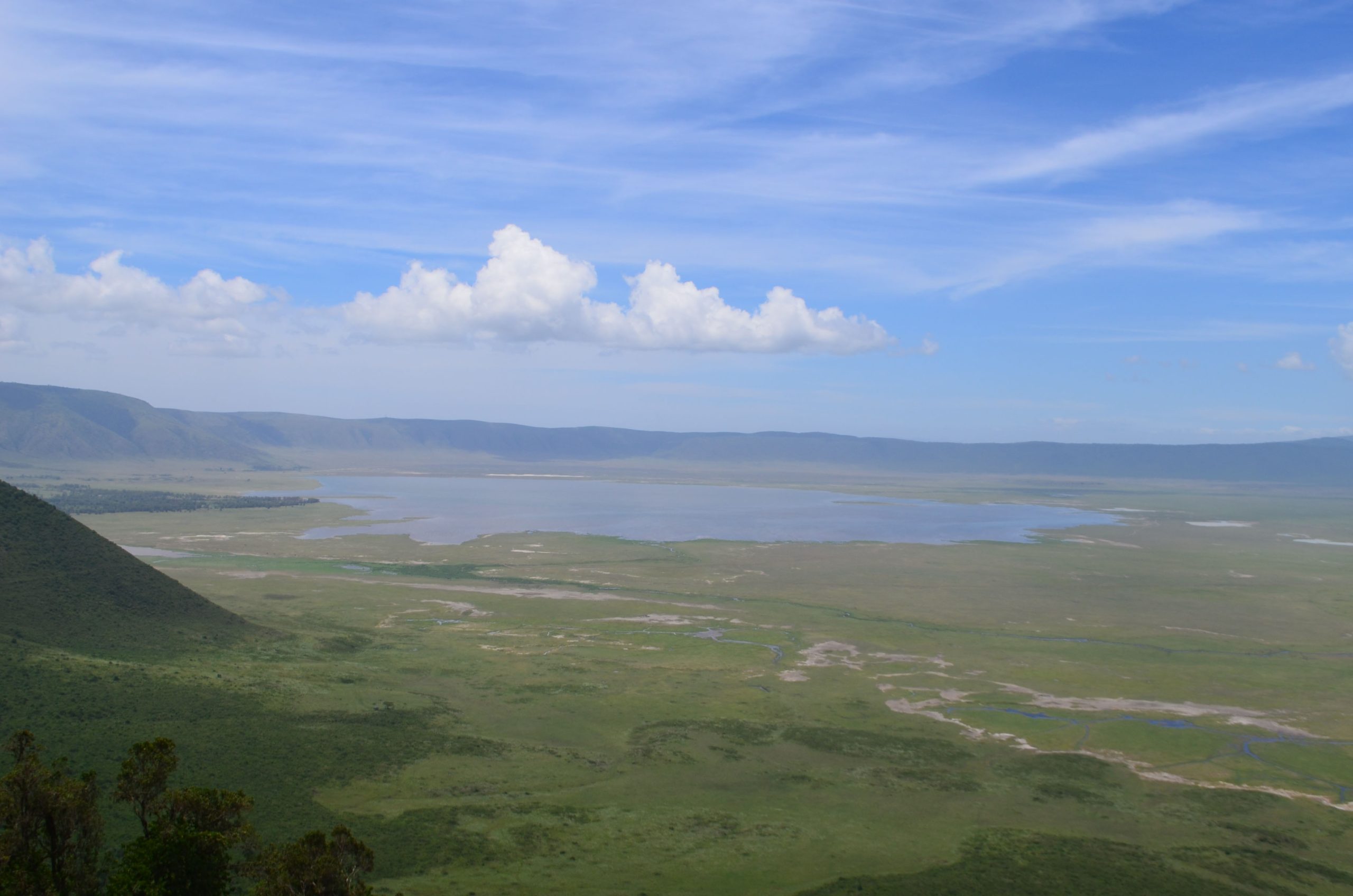
Our Land Cruiser rolled to the viewpoint just as dawn light spilled over the crater walls. Below us lay the vast caldera floor, 20 kilometers wide and nearly 600 meters beneath the rim, glowing gold beneath drifting morning mist. From above, the crater looked less like a wildlife reserve and more like a lost world sealed inside an ancient volcanic bowl.
“This cannot be real,” the husband whispered quietly in Russian.
I understood exactly what he meant.
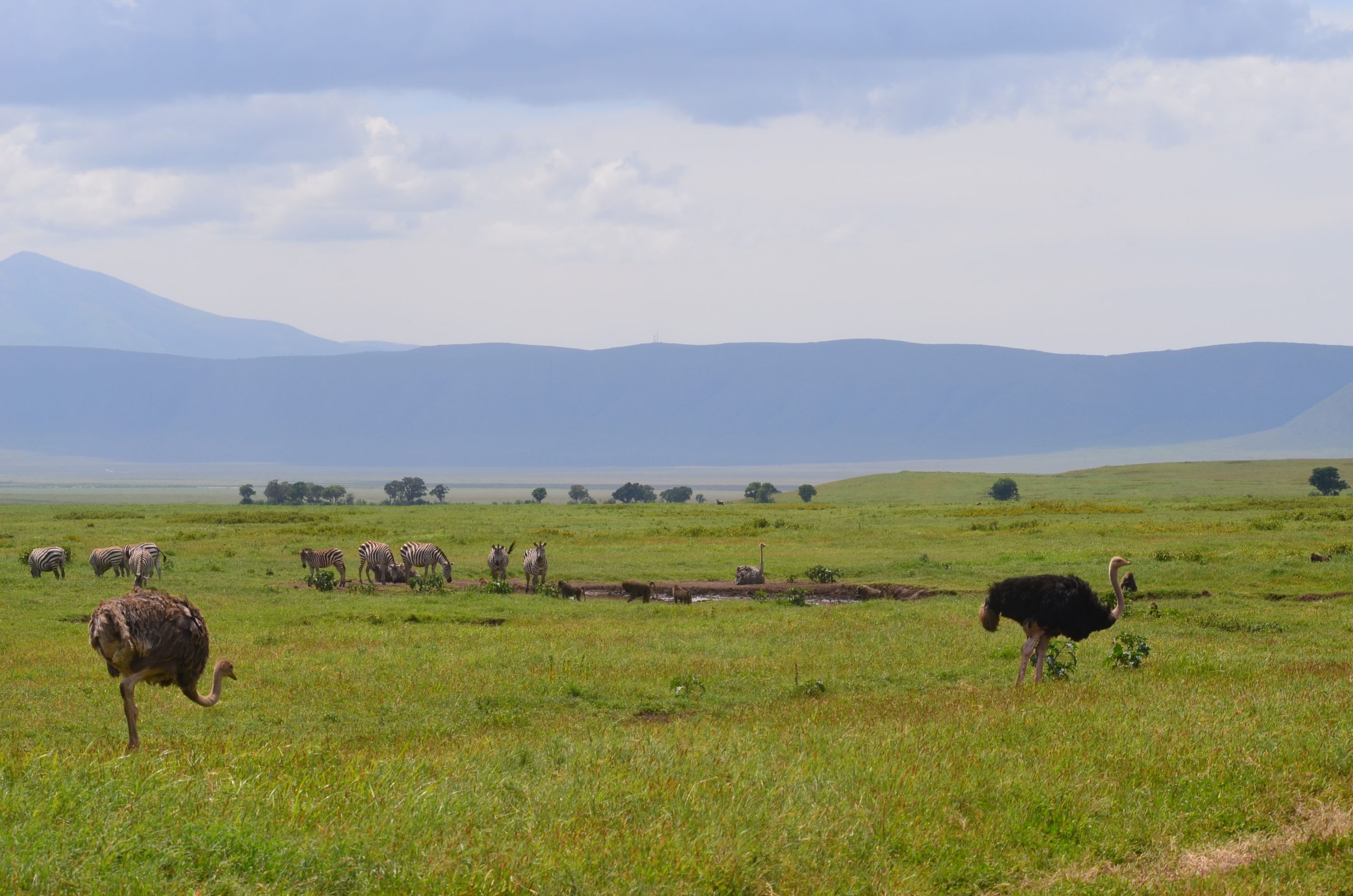
Ngorongoro is not merely a safari destination. It is nature staged at operatic scale — an amphitheatre of abundance where predators, grazers, scavengers and birds perform endlessly on one of the richest wildlife stages on earth.
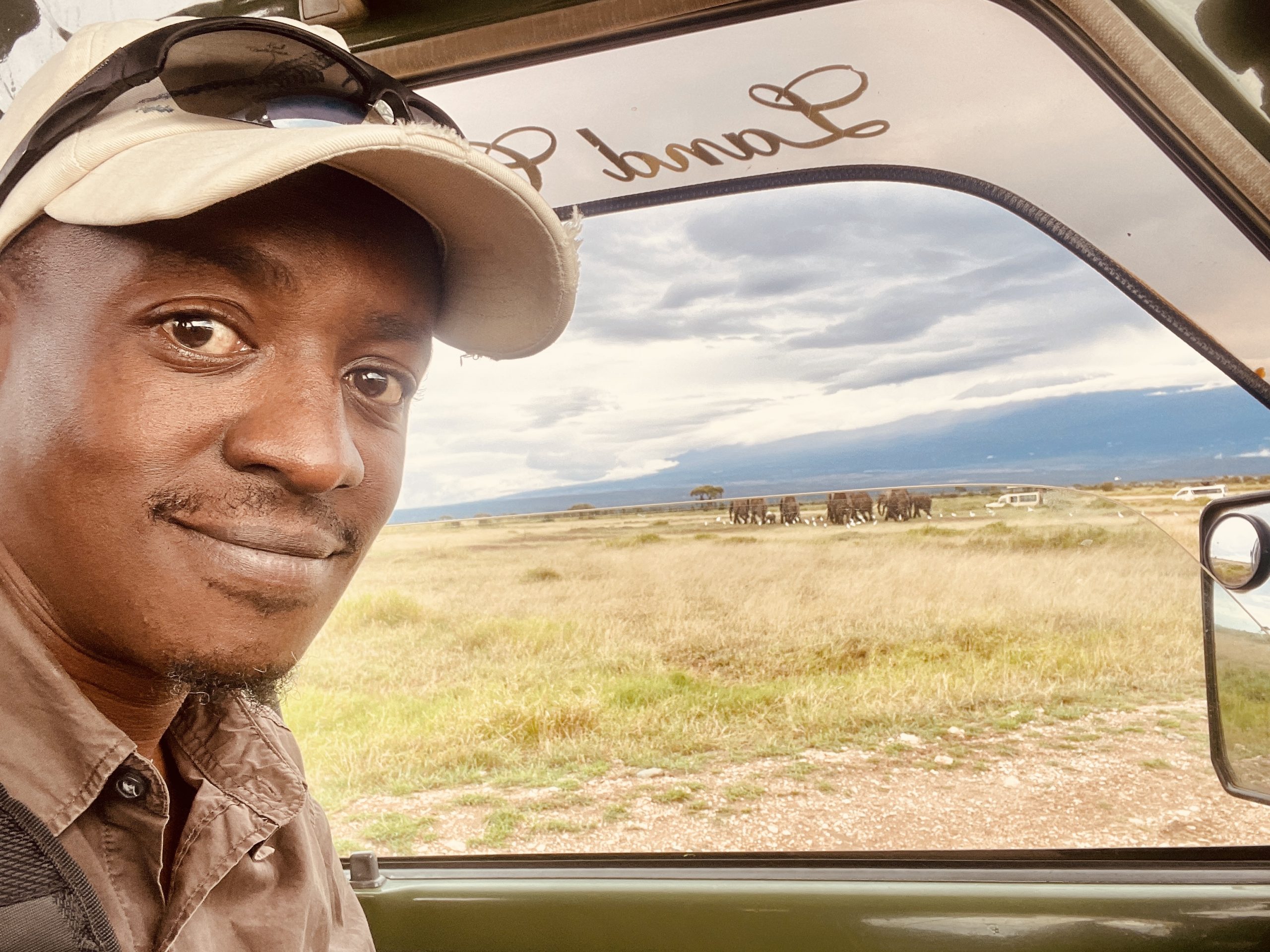
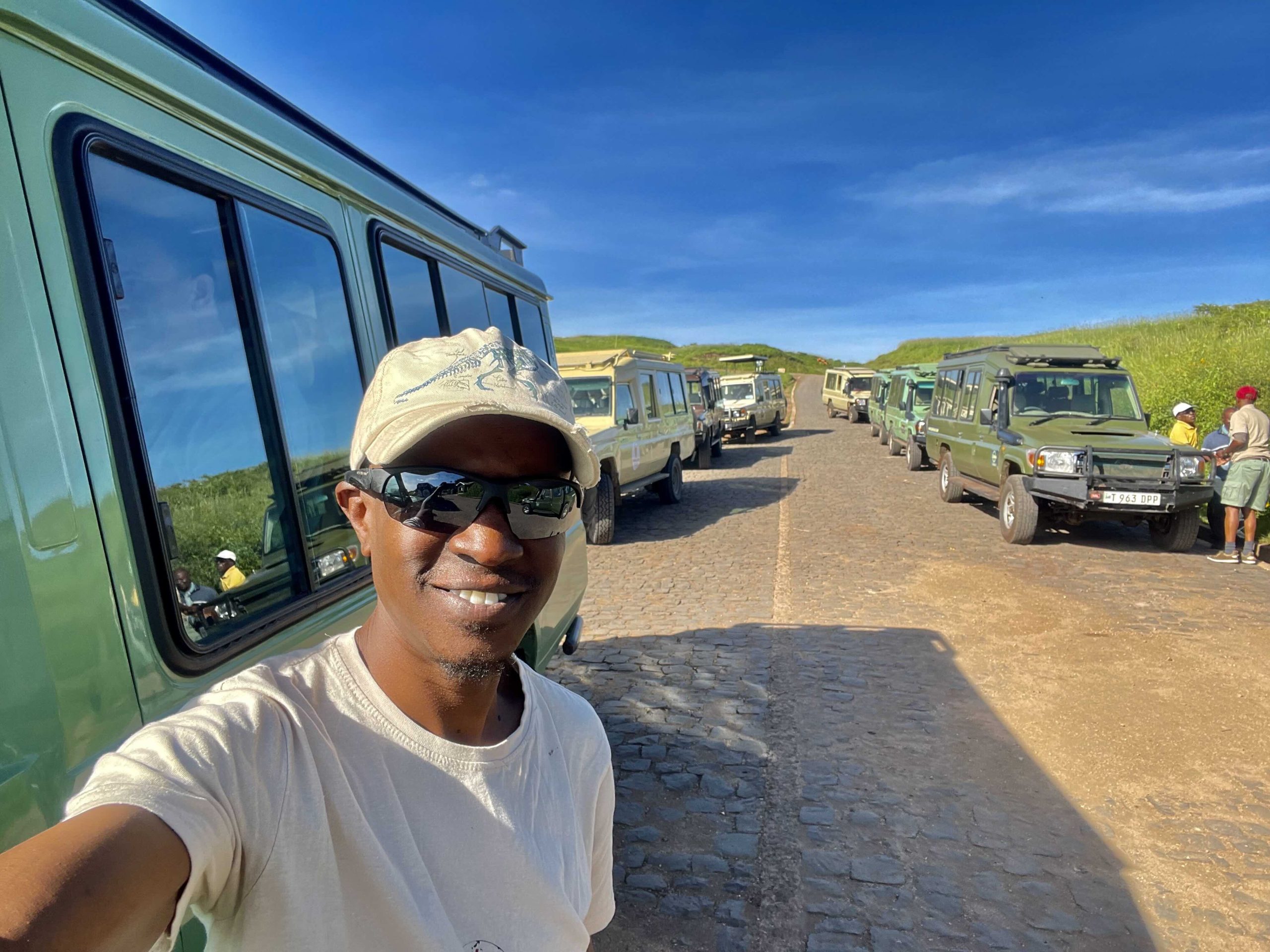
My driver, Solomon, eased the Cruiser down the steep crater road while buffaloes appeared through the fog like dark moving boulders. At the bottom, rufous-tailed weaver nests swung gently from acacia branches near Seneto Springs, where Maasai herdsmen still bring cattle for salt licks and water. The couple leaned from the open roof hatch, cameras forgotten for a moment as zebras, wildebeests and crowned cranes drifted across the plains below.
Ngorongoro rewards patience. The drama is everywhere, but never rushed.
Near Lerai Forest, fever trees glowed yellow-green in the morning sun while elephants moved silently between the trunks. Olive baboons lounged beside the road with the confidence of long-time residents, while vervet monkeys screamed warnings from the canopy. Solomon stopped suddenly and pointed toward a distant shrub line.
Black rhino.
Even through binoculars, the sight felt electric.
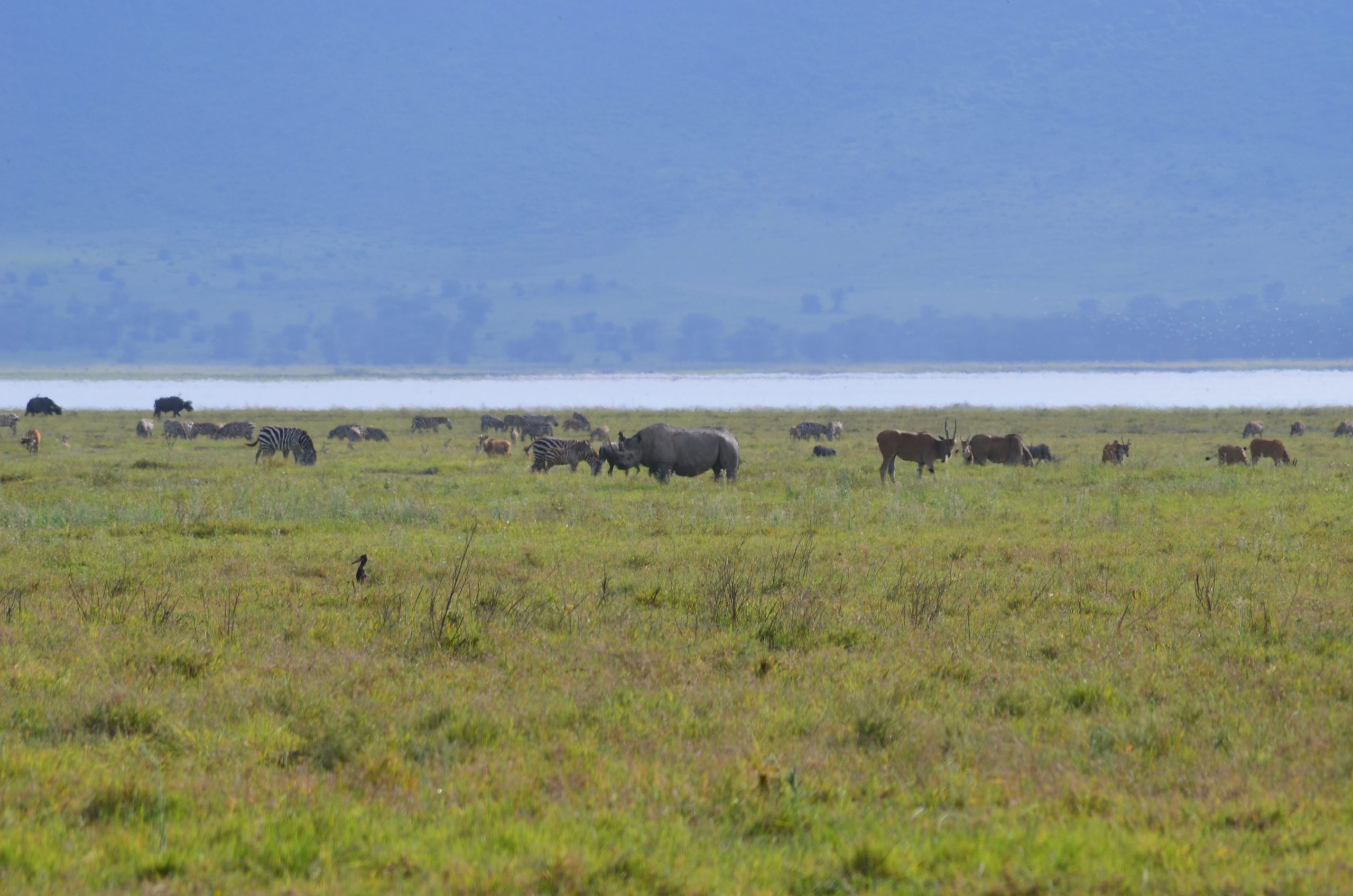
Tanzania offers few realistic opportunities to see black rhinos in the wild, yet Ngorongoro remains one of the last reliable strongholds. The couple stared motionless as the enormous animal browsed slowly across the grasslands, utterly indifferent to the vehicles watching from afar.
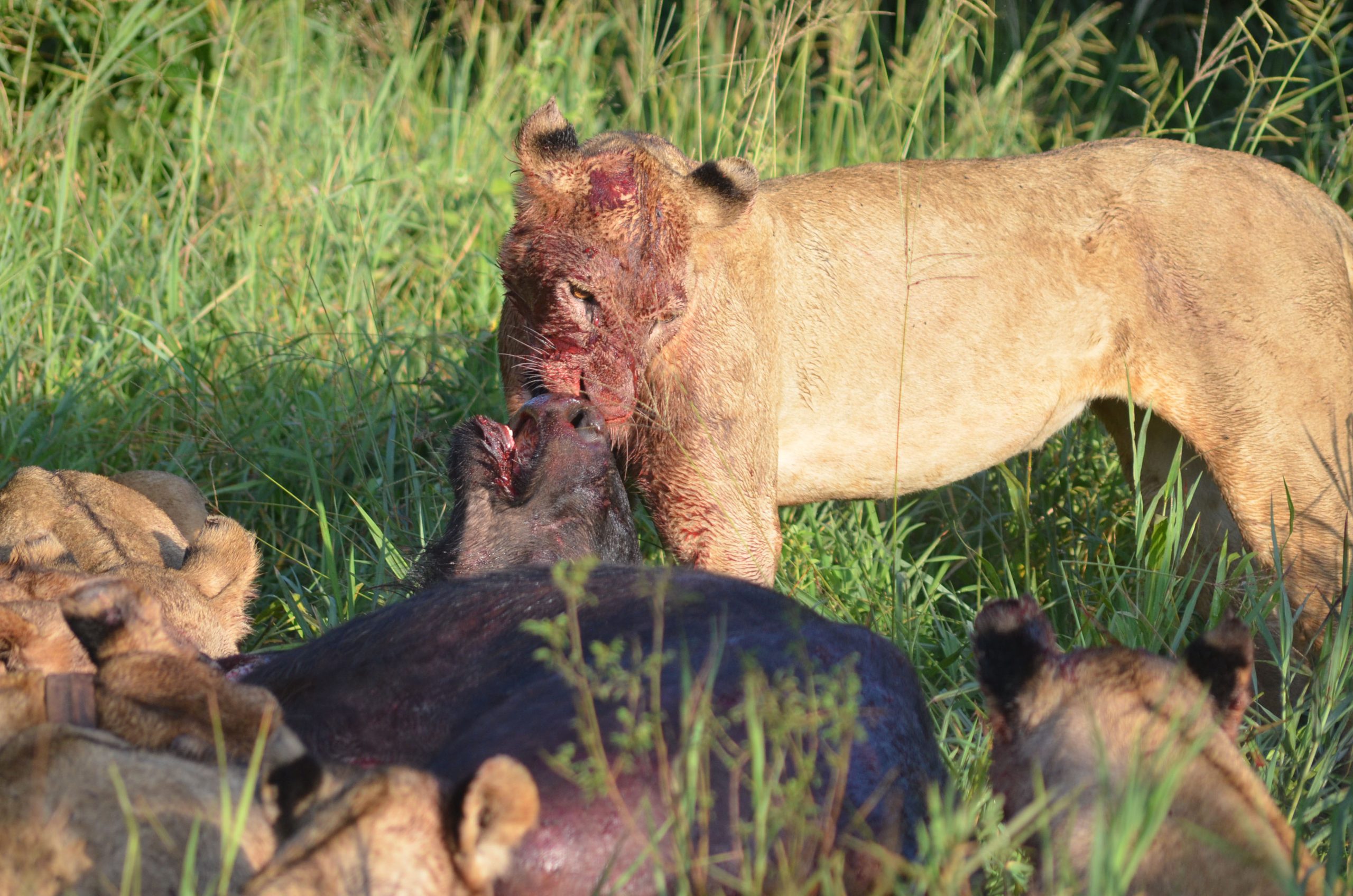
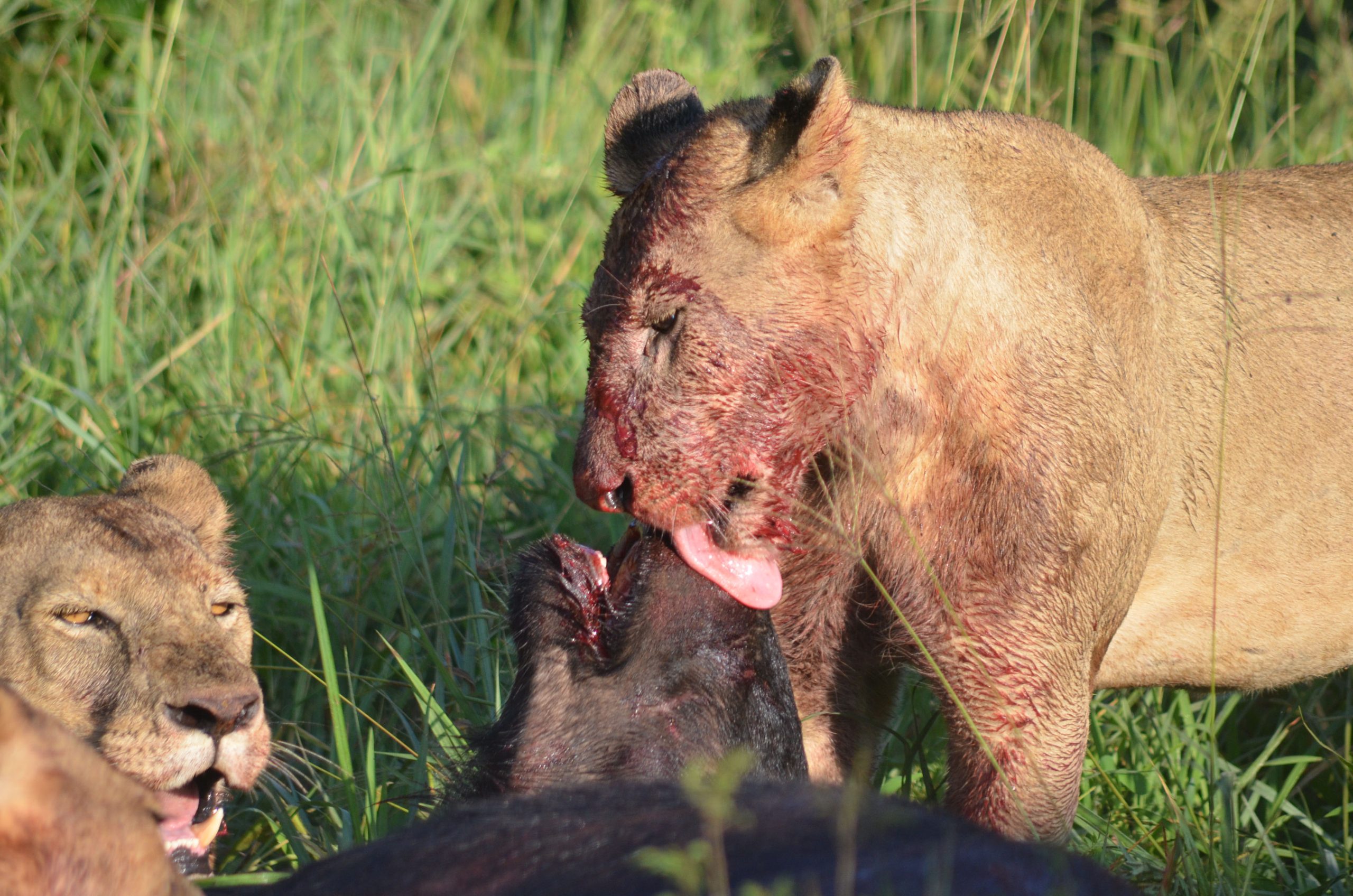
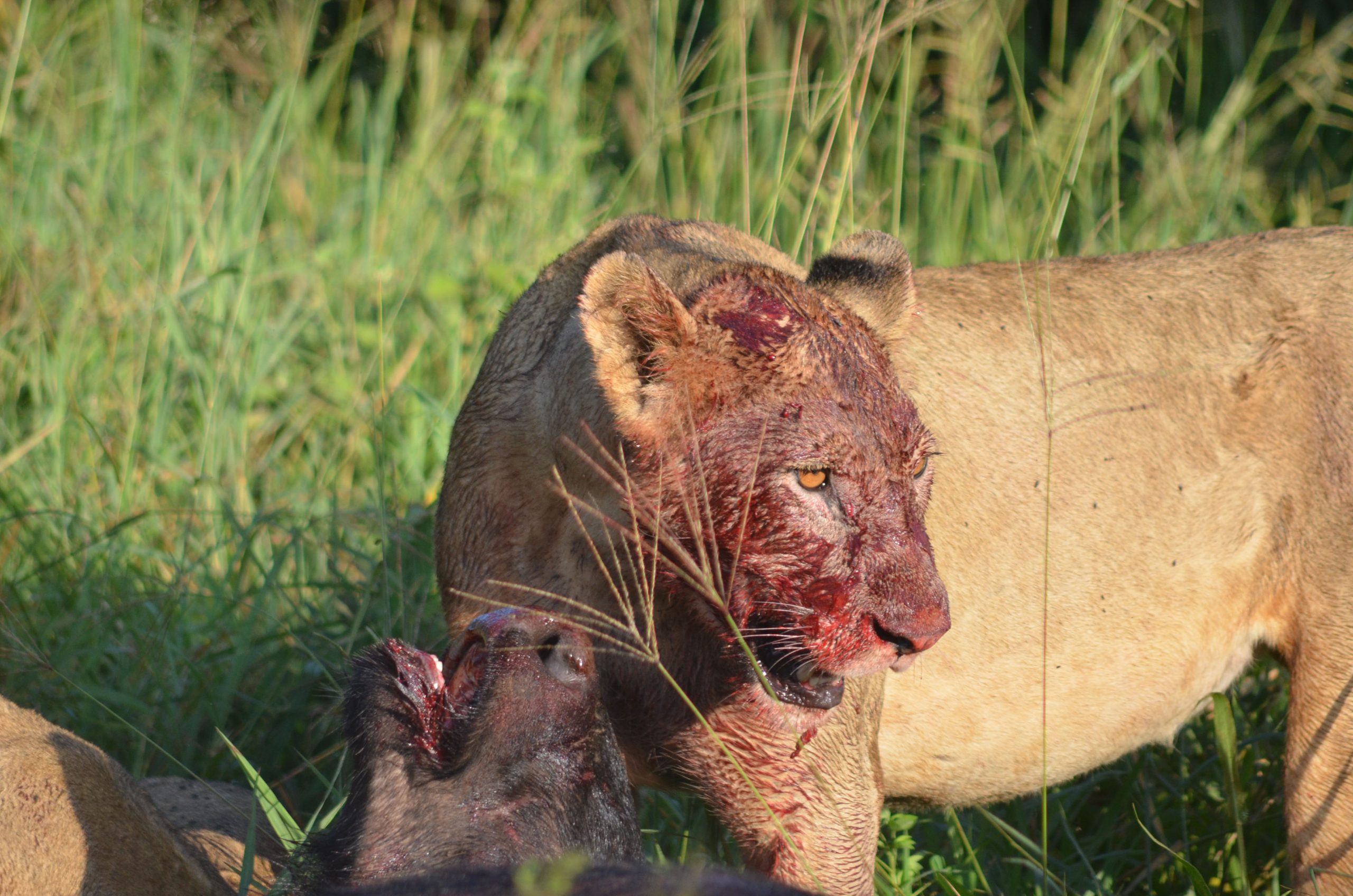
Hours later, we found lions sprawled beside a buffalo carcass near Lake Magadi. Hyenas circled cautiously in the background, calculating every movement. Vultures waited in patient silence. Then chaos erupted.
A single hyena darted forward. Another followed. Jackals rushed in low beneath the confusion while lions snarled and swatted at the intruders. Dust exploded into the air. The sound of crunching bone echoed across the plains.
No documentary prepares guests for the rawness of a real kill site.
The wife lowered her camera slowly. “This,” she said softly, “is life without masks.”
That is the power of Ngorongoro. It strips away illusion.
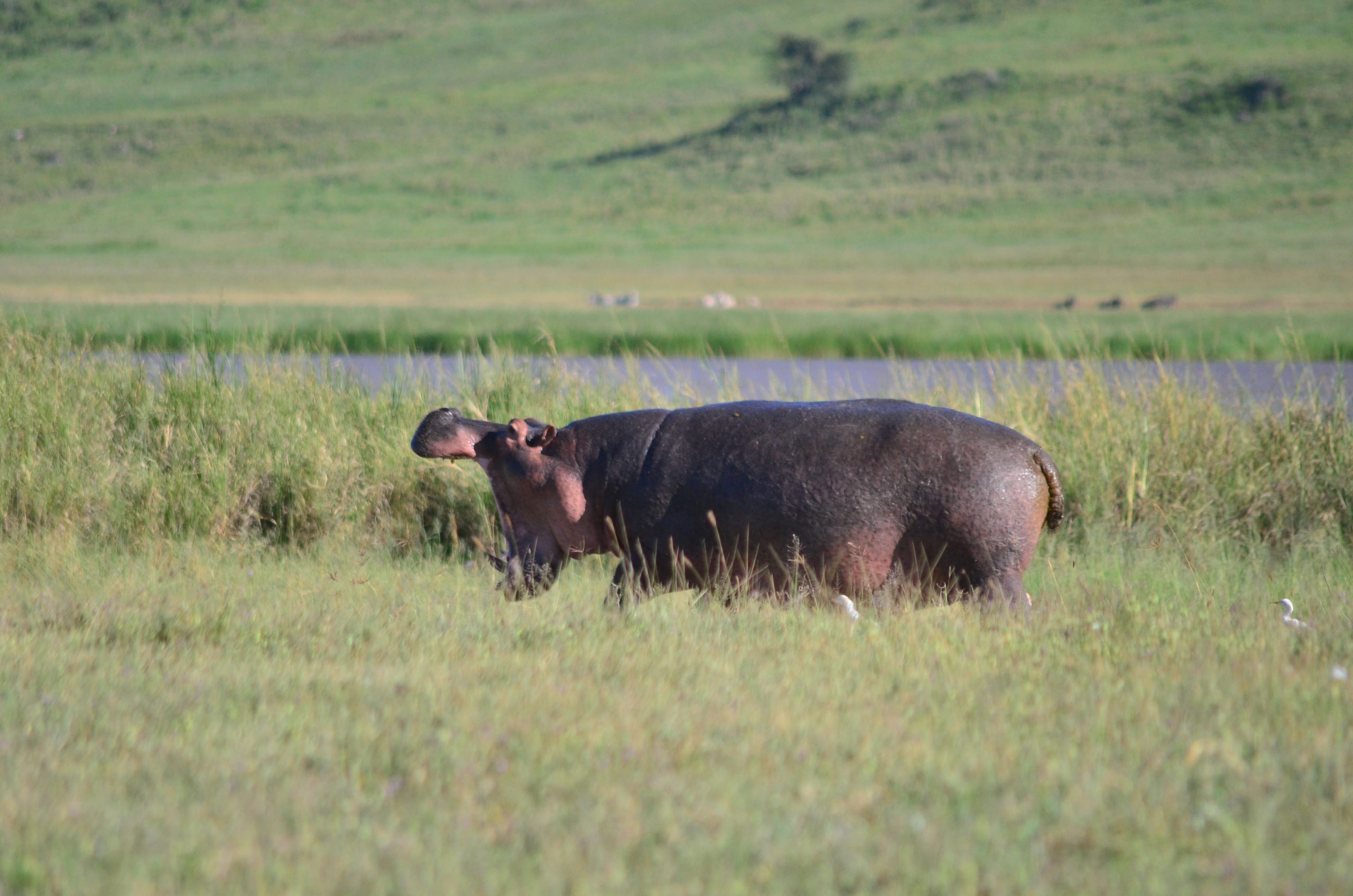
By midday we reached Ngoitokitok Springs, where hippos soaked in muddy pools beneath groves of acacias. Black kites hovered overhead like thieves waiting for opportunity. Solomon laughed as one swooped low toward a tourist’s sandwich nearby.
“Never relax with food in Ngorongoro,” he joked.
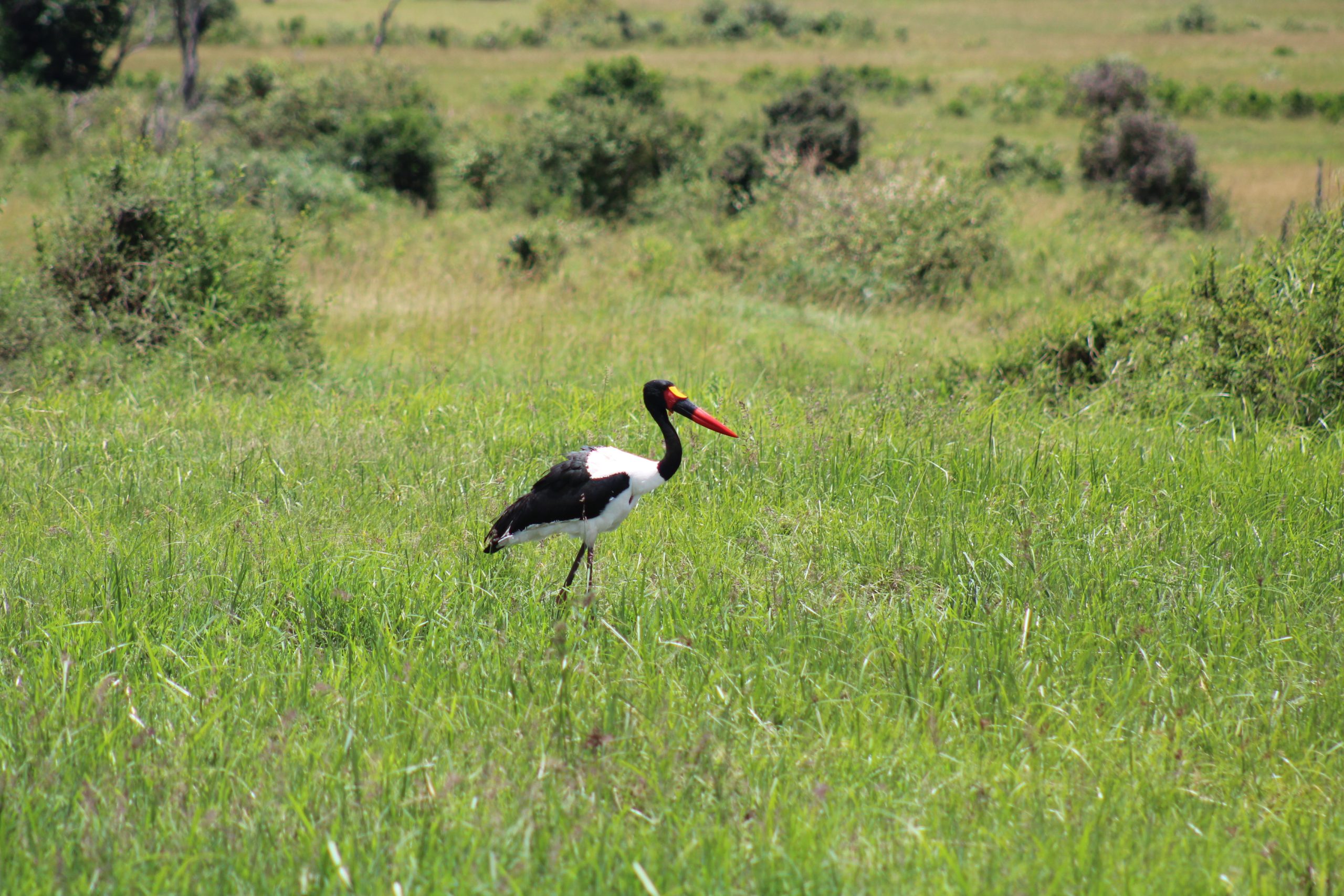
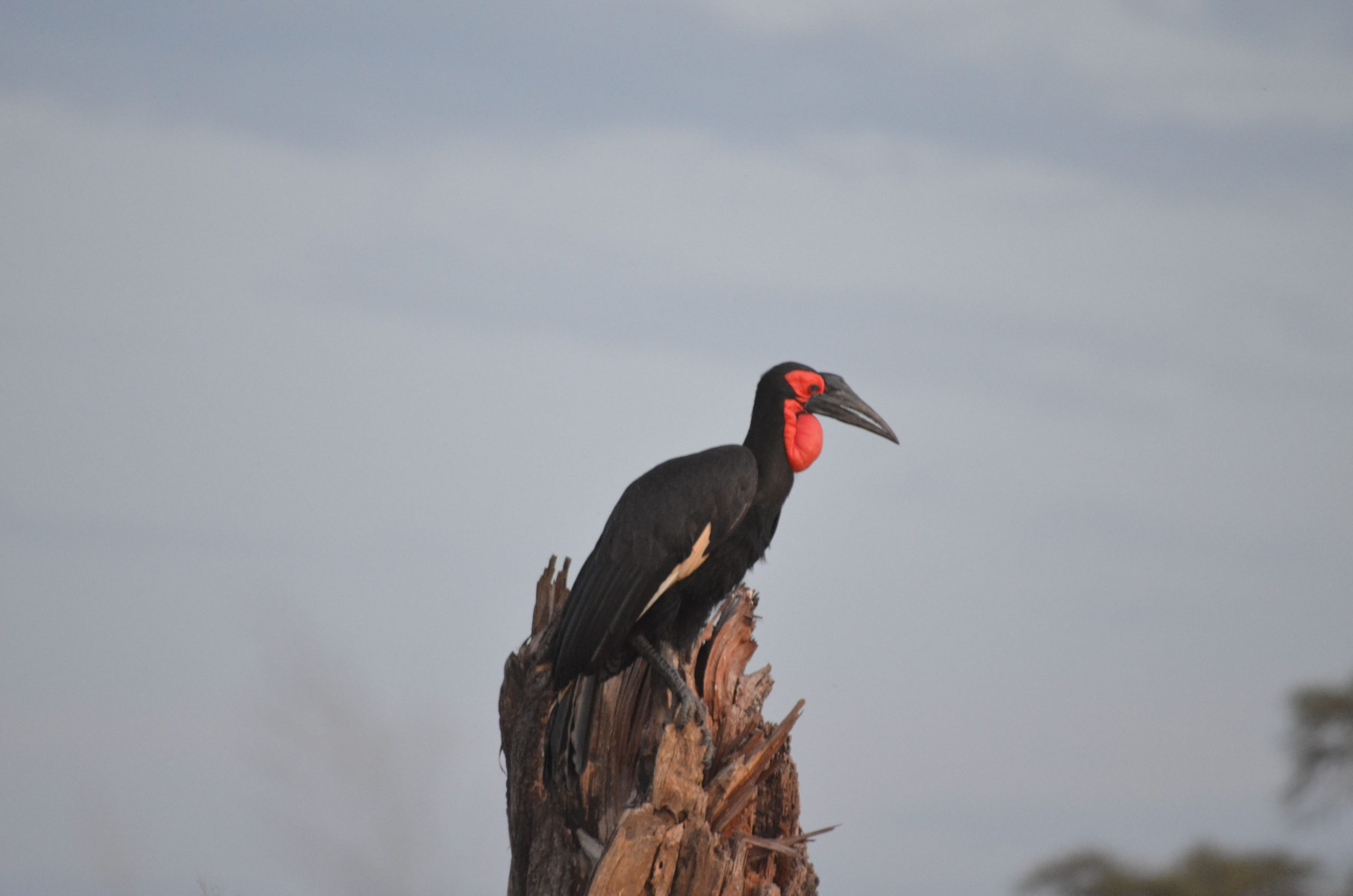
The crater floor never truly rests. Ostriches strode across the grasslands. Secretary birds hunted methodically through the savannah. Flamingos shimmered pink along the alkaline lake edges. In the distance, spotted hyenas lolloped lazily through the heat while thousands of buffaloes grazed the open plains once occupied by Maasai cattle generations ago.
And always there were birds.
Grey crowned cranes danced elegantly through the wetlands while Jackson’s widowbirds launched themselves above the grasses in frantic mating displays, their dark tails fluttering wildly in the wind. Even veteran birdwatchers become overwhelmed here. More than 500 bird species have been recorded across the Ngorongoro Conservation Area.
But Ngorongoro’s magic stretches far beyond the crater itself.
On the road toward Olduvai Gorge, where some of humanity’s earliest ancestors once walked volcanic ash nearly four million years ago, the surrounding plains rolled endlessly toward the Serengeti. Wildebeests gathered in colossal herds across the horizon, preparing for migration routes that have existed longer than civilization itself.
The Russian couple had visited the Maasai Mara years earlier. They had loved it. But over dinner back at the lodge that evening, overlooking the crater rim wrapped in cloud and firelight, they admitted something surprising.
“This feels older,” the husband said. “Not just wild. Ancient.”
He was right again.
Ngorongoro does not simply offer sightings. It offers perspective.
Up here, between volcanic highlands and endless plains, life and death unfold openly beneath vast African skies. Lions sleep beside roads. Hyenas steal beneath vultures. Hippos grunt through marshes. Rhinos disappear into mist. Humanity’s earliest footsteps rest preserved in stone nearby.
And somewhere below, long after the last safari vehicles climb back to the rim, the wild continues uninterrupted beneath the crater walls.
Our passion for nature and travel is reflected in our understanding of the need to experience the natural environment in a sustainable and unique way.
Our commitment to you is “The Perfect Balance between Nature & Discovery, Adventure & Luxury”.