Image | Courtesy As we turned onto Kenyatta Avenue, the echoes of history reverberated with each passing moment. Formerly known as Delamere Avenue in honor of the pioneer white settler and colonial administrator after his death in 1932, Kenyatta Avenue bustled with weekday human traffic. Despite the rush, we paused to pay homage to the fallen heroes of WWI (1914 - 1918) and WWII (1939 - 1945) at the Askari Monument (the Carrier Corps Memorial - To Our Glorious Dead) - constructed in 1928 (Myrander SC) and re-erected in 1945, a solemn reminder of sacrifice and valor. Its inscription, “If you fight for your country, even if you die, your sons will remember your name,” spoke volumes, alongside dedications to the native African troops, the carriers who supported the Army,…
Image | Courtesy Continuing our excursion through Nairobi's streets, we glimpsed the Khoja Mosque, also known as Khoja Jamatkhana, constructed on January 14, 1922, by the Ismaili community led by the Aga Khan. We then passed through Monrovia Street, once known as Mark Street, and I pointed out the statue of Queen Elizabeth I in Jeevanjee Gardens—formerly Victoria Gardens—unveiled by the Duke and Duchess of Connaught and presented by Alibhai Jeevanjee. Amidst the horns and blares from the traffic, I recounted the tale of Alibhai Jeevanjee, a visionary entrepreneur who made profits from the construction of the Kenya-Uganda railway line, his legacy enduring in the heart of the city when he donated the gardens in 1906. “Alibhai Mullah Jeevanjee was born in the Bohra community in Pakistan in 1856 and…
Image | Courtesy Leaving the museum behind, our next stop beckoned with the allure of a bygone era. The Norfolk Hotel, a bastion of colonial elegance, opened on December 25, 1904, by Major C.G.R. Ringer, stood as a testament to Kenya's tumultuous past. Picturing it against a backdrop of dusty plains and towering acacias, there is still an aura of a time when intrepid adventurers and illustrious dignitaries mingled in the corridors of power. “The Norfolk of the yesteryears, with its cool resting rooms and hot and cold baths, was civilization in the bush. With nothing in front of it except the papyrus swamp with the frogs (and sometimes the lions) and nothing behind it but barren, open land, the white railings of the hotel's perimeter spelled comfort for early…
Image | Courtesy Our next destination was the Nairobi National Museum, a sentinel of Kenya's past, guarding its secrets with silent reverence. As we made our way in, Vlad and Olga were curious about the museum's storied history, from its humble origins in 1910 when a modest institution was born from the vision of the East Africa and Uganda Natural History Society, to what it is today. Image | Ernest Nyamasyo “The Nairobi National Museum was officially opened on September 22, 1930, and named Coryndon Museum in honor of Sir Robert Coryndon, a former Governor of Kenya,” I explained. With each step, we journeyed through time, from prehistory and the country’s rich tapestry of different tribes with their unique customs, to the dawn of independence—a testament to Kenya's enduring spirit…
Image | Courtesy From the "Bogani" house, we drove along Lang'ata Road. Olga's curiosity led her to inquire about the iconic 100-foot Uhuru Monument at Uhuru Gardens, a towering tribute to Kenya's journey to independence. "On December 12, 1963, the Kenyan flag unfurled its colors for the first time at Uhuru Gardens, marking a pivotal moment in our nation's history," I narrated, immersing them in the significance of this monumental event. “Kenya transitioned from being the East Africa Protectorate to a British Colony in 1920. Initially claimed as the Sultan of Zanzibar’s territory during the Berlin Conference of the 1880s, it was conceded in 1887 to the British East Africa Association (later Company) and in 1888, it was granted a royal charter by the British Government. In 1895, the British…
Image | Courtesy The Karen Blixen Museum was once the centerpiece of a farm at the foot of the Ngong Hills, owned by Danish author Karen Blixen and her Swedish husband, Baron Bror Blixen-Finecke. Located 10 km from the city center, the museum represents a different period in Kenya's history and gained international acclaim with the release of the movie 'Out of Africa,' an Oscar-winning film based on Karen's autobiography of the same title. Built in 1912 by Swedish engineer Ake Sjogren, Karen and her husband bought the house in 1917. It became the farmhouse for their 6,000-acre property, of which 600 acres were used for coffee farming. Their marriage failed after eight years, and in 1921, the Baron left the running of the farm to Karen. Image | Courtesy…
Image | courtesy As we departed for our next destination—the Karen Blixen Museum—I recounted the city's humble beginnings, forged in the crucible of the 'Lunatic Express' railway line. Nairobi's story is one of dramatic transformation, evolving from a mere watering hole on Maasai land in the late 1800s into a vital railway hub. Buffalo and lions once roamed the periphery of these swampy lands, which were largely uninhabited except for the occasional meetings of the Kikuyu and Maasai peoples, who brought their cattle to graze. Wet, infertile, and at a high altitude, this place was called Nairobi, meaning a small stream that bisected a swamp, known by the Maasai as Enkare Nyrobe—‘the land of cool waters’. This area was never intended to be a settlement, but with the arrival of…
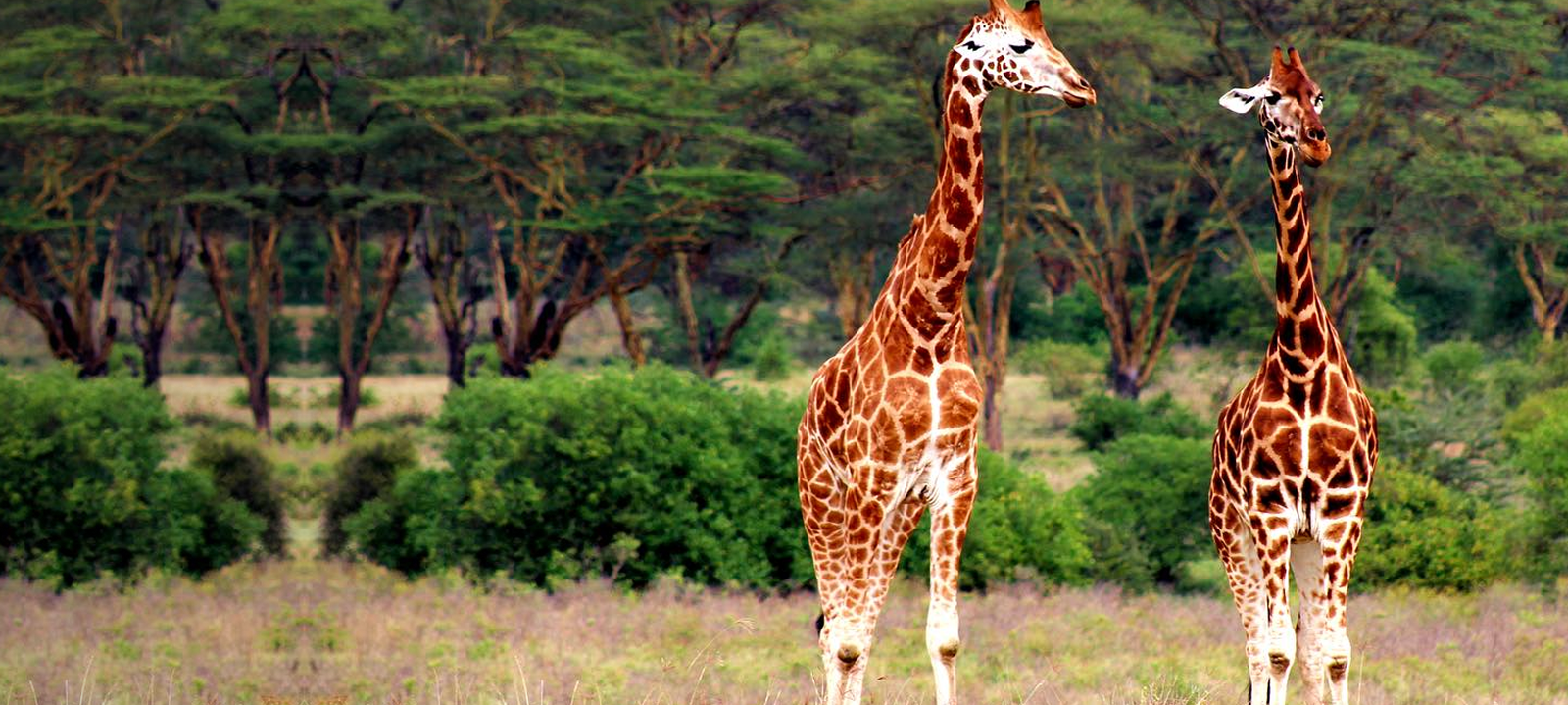
Smile:) Rothschild 's Giraffe | Image courtesy As we embarked on our city tour of Nairobi, the vibrant pulse of Kenya's capital city permeated the air, eager to reveal its rich tapestry of history and culture to our inquisitive minds. Joined by Vlad and Olga, intrepid travelers from Russia, our journey promised a fusion of discovery and adventure, fueled by curiosity and a thirst for knowledge. Our first stop was the AFEW Giraffe Centre, a sanctuary where nature and conservation converge in a harmonious embrace. As we marveled at the graceful Rothschild giraffes, Vlad, with his insatiable appetite for history, inquired about the origins of this noble institution. "Established in 1979 by Americans Jock Leslie-Melville and his wife Betty, the Giraffe Centre was created to protect the endangered Rothschild giraffe,"…
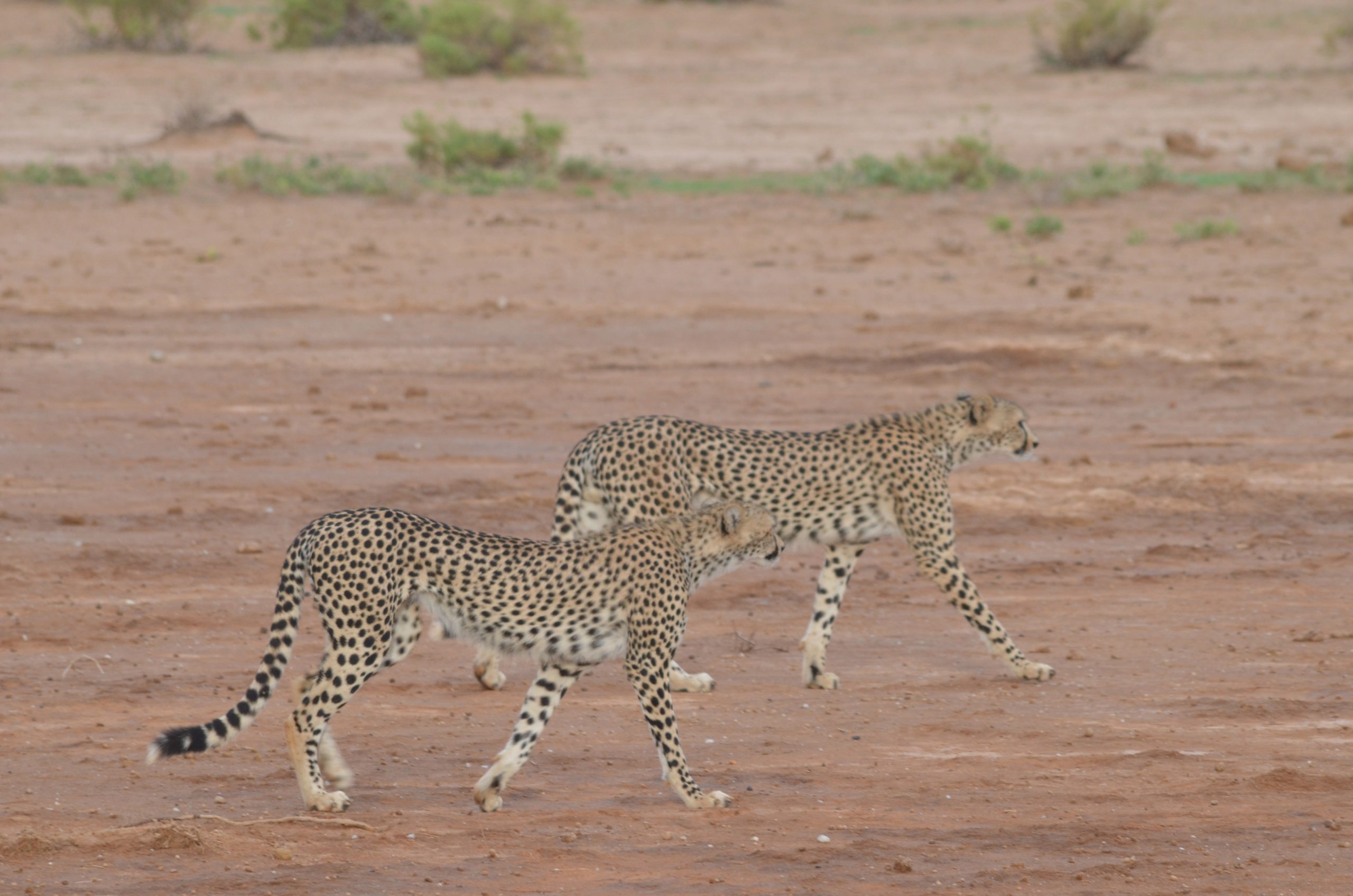
In the vast African savannas, a sleek and magnificent creature roams the open landscapes, embodying the very essence of speed and grace - the Cheetah. With fur as golden as the African sunsets, the Cheetah is not just an apex predator; it is a living testament to the intricate dance between biology and survival. In the Shadows of Speed: Anatomy and Adaptations The Cheetah's physique is a marvel of evolutionary ingenuity. Long-legged and lean, its slender body is a blueprint for acceleration. As a master of speed, the Cheetah boasts powerful muscles, particularly in its hind legs, propelling it forward like an arrow released from a bow. Its spine is unusually flexible, allowing the creature to stretch its body in mid-air during the chase, a maneuver that gives it the…
Elevation: 1,641m (5,383ft) Weather: Dry Difficulty: Moderate Min pax: X6 Date: 09 - 11 Feb. 2024 Are you ready for an extraordinary hiking adventure? Look no further than Kasigau, a remarkable mountain that stands proudly amidst the expansive plains south of Voi. With its steep, imposing slopes and numerous impressive precipices, Kasigau promises a thrilling expedition that will leave you in awe of its natural beauty. Expert Guidance Awaits Embarking on this adventure is made easy with the assistance of experienced guides, available at the chief's office or possibly the forest post. Their expertise will ensure your safety and enhance your exploration of Kasigau. Your Journey Begins The journey to the summit of Kasigau starts with the best camping spot, located a few kilometers along the Mwatate-Rukanga road in clearings…