A lion sighting makes a safari memorable. Understanding why the lion behaves as it does, respecting its space and appreciating the ecosystem that sustains it can make the experience transformative. The difference lies in how we guide the journey, and interpret the environment.
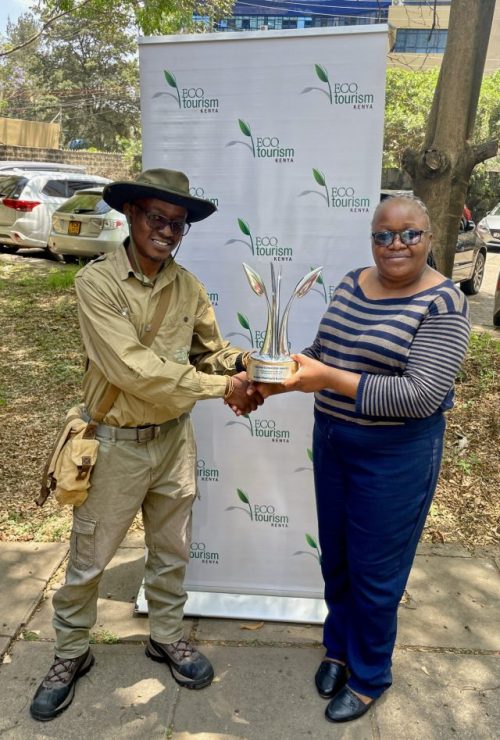
On 16 October 2026, I was honoured to win the Leading Guide in Offering Responsible Journeys category at the 18th EcoWarrior Awards, organised by Ecotourism Kenya under the theme Honouring Innovations for Responsible Journeys. Although I could not attend the ceremony, the recognition reaffirmed a conviction that has shaped my work across more than 15 years of wildlife, birding, photography and cultural experiences: a safari should leave more than footprints and photographs. It should leave people with a deeper understanding of nature and a stronger desire to protect it.
For me, responsible tour leading begins by challenging a familiar measure of safari success: how many animals guests see, how close they get and how impressive their photographs look.
Wildlife is not a performance staged for visitors. An elephant crossing the track is not an invitation to close in. A lion resting beneath an acacia does not owe anyone a better photograph. Reading animal behaviour, maintaining a respectful distance and knowing when to leave are as important as finding the sighting in the first place. Sometimes, the finest guiding decision is to move on.
These choices matter. When guides resist pressure to crowd wildlife, block its movement or compromise its welfare for a photograph, they help create a tourism culture that values animals as living beings rather than attractions available on demand.
But responsible guiding goes further than ethical viewing. It turns sightings into understanding.
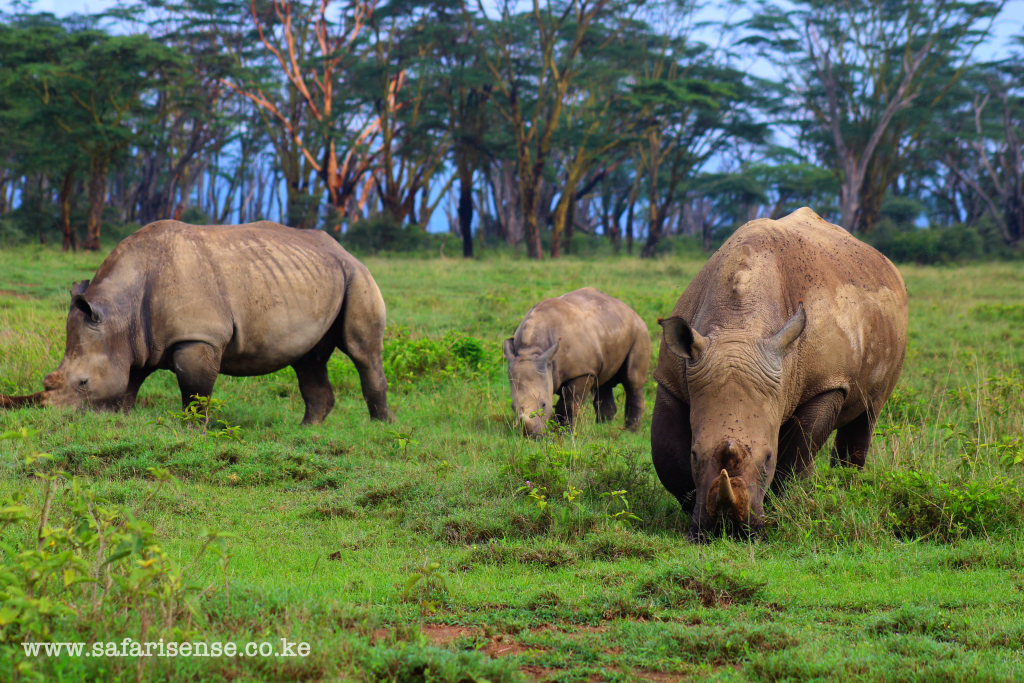
Kenya’s wilderness is a complex, interconnected system. A bird in an acacia tree can reveal the relationships between habitat, food and survival. A herd moving across the savannah can open a conversation about migration, seasonal change and the delicate balance between predators and prey. Even an apparently quiet landscape has a story to tell.
Through wildlife interpretation, birding, photography and cultural encounters, my aim is to help travellers move beyond ticking species off a list. The real reward is curiosity: understanding what they are seeing, why it matters and what threatens it. A photograph, too, should tell a story without compromising its subject. Patience and knowledge of animal behaviour can be more valuable than proximity.
The best safari is not necessarily the one with the longest wildlife checklist. It may be the one that changes how a traveller sees the natural world.
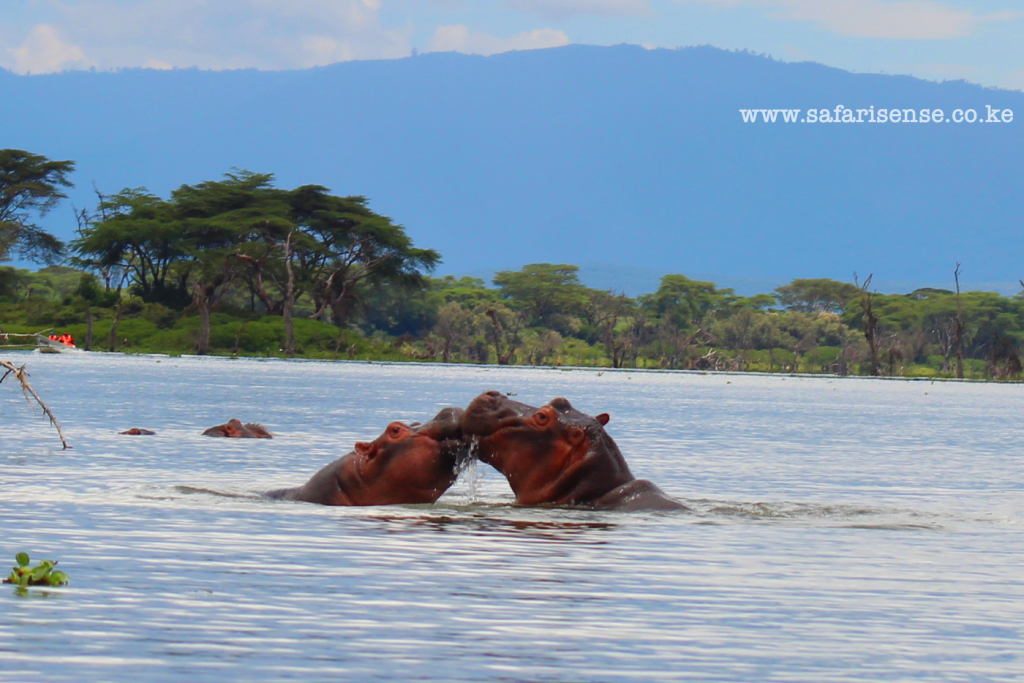
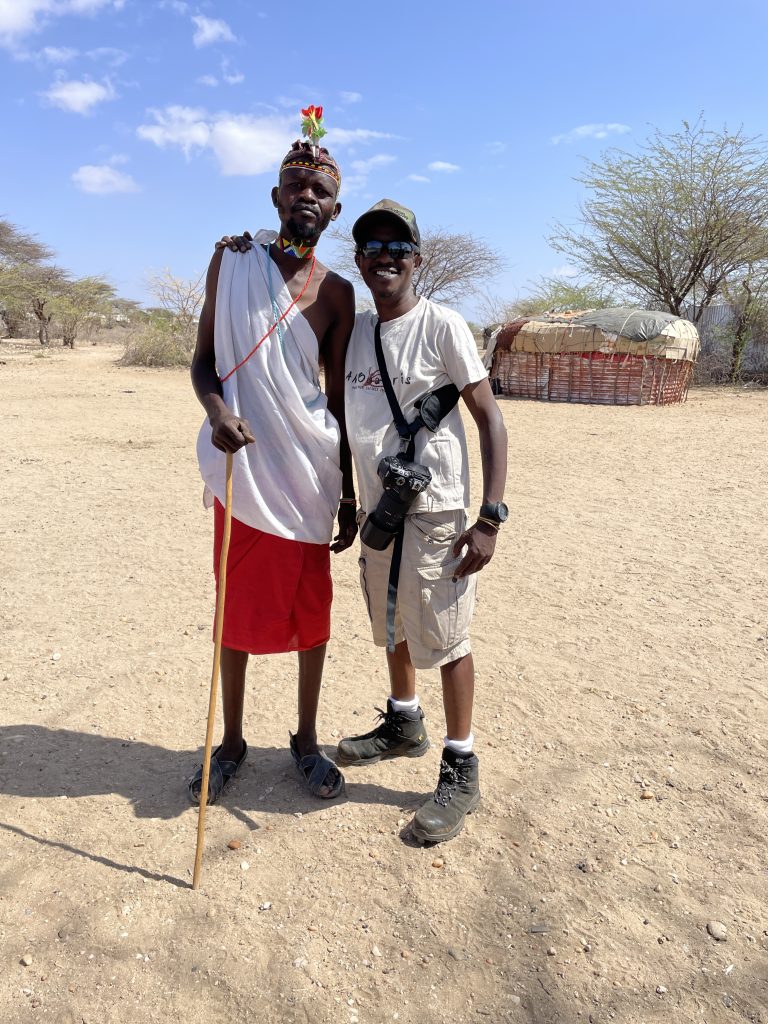
That change in perspective must extend to the people who call these landscapes home. Kenya’s tourism industry depends not only on wildlife and scenery but also on the knowledge, culture, enterprise and stewardship of local communities. Responsible travel recognises communities as partners, not attractions.
Travellers can contribute by choosing locally rooted experiences, buying authentic local products, respecting cultural protocols and seeking meaningful engagement based on dignity and consent. Tour operators and guides can make deliberate choices about local suppliers and services, helping tourism spending reach enterprises connected to the destinations themselves.
A cultural visit alone does not make tourism responsible. The quality of the engagement, the respect shown and the benefits generated matter just as much.
Nor does sustainability begin and end with grand conservation projects. It is built through everyday decisions: following park rules, preventing litter, reducing avoidable waste, conserving water, respecting wildlife-viewing guidelines and communicating honestly about destinations. Transport, accommodation, food and waste all carry environmental costs. No safari is impact-free, but informed decisions can reduce unnecessary harm.
Guides have particular influence because guests observe not only what we explain but also how we behave. Our conduct can shape how visitors approach wildlife, interact with communities and think about conservation long after they leave Kenya. The stories we tell must therefore celebrate the country’s natural heritage without exaggeration or concealing the challenges its ecosystems face.
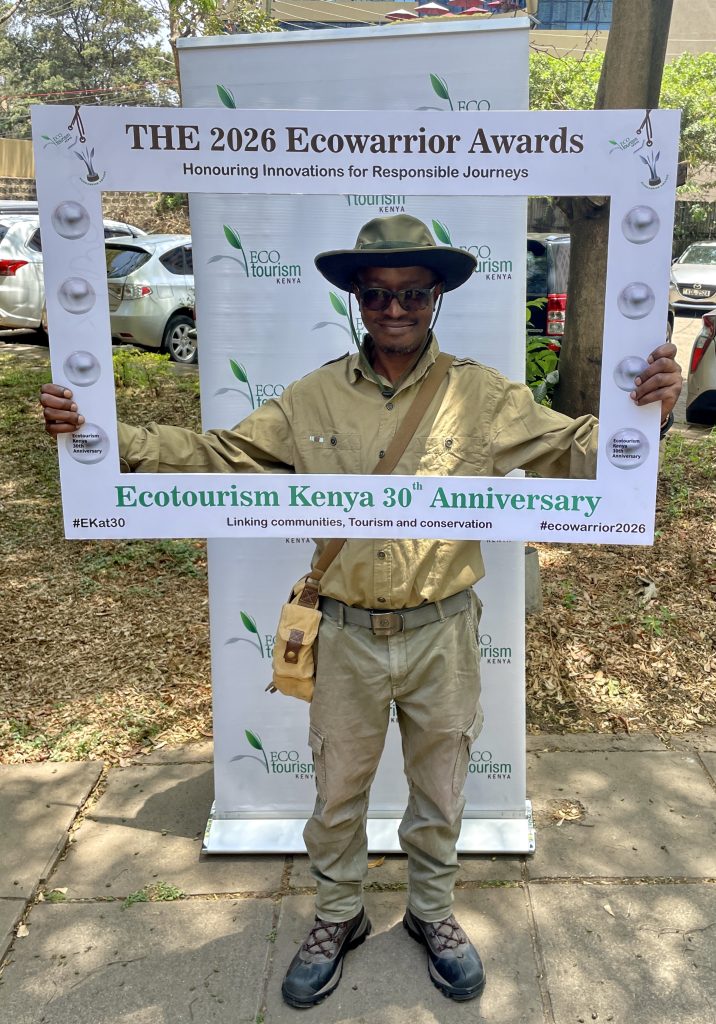
Winning the 2026 EcoWarrior Award is both an honour and a responsibility. I am grateful to Ecotourism Kenya and the award partners for recognising the role guides play in shaping more responsible journeys. The achievement also reflects a wider community of conservationists, tourism professionals, local communities and travellers whose choices determine what responsible tourism becomes in practice.
At Safari Sense Ltd, our ambition is to combine adventure, comfort, knowledge and conservation awareness in distinctive Kenyan travel experiences. For our guests, including Russian-speaking travellers, this means discovering Kenya not merely as a destination to photograph, but as a living landscape to understand, respect and cherish.
Luxury and responsibility are not opposites. A safari can be exceptional without disturbing wildlife unnecessarily, meaningful without exploiting culture and comfortable without ignoring its environmental footprint. The challenge is to make thoughtful choices part of the experience, rather than an afterthought.
So, before your next safari, ask more than, “Will we see the Big Five?”
Ask how wildlife will be respected, whose knowledge will shape your journey, how local communities will benefit and what your visit will contribute to the future of the destination.
Because the measure of a great safari is not simply what you take home. It is also what you leave behind.
Beyond the Big Five lies a more meaningful way to experience Kenya.
Responsible journeys. Meaningful encounters. A lasting connection with Kenya.